
News

Ingenza Launches UNVAIL: an AI-Powered Platform Unlocking Next-Generation Proteins
Ingenza — a world-leading engineering biology CRDMO based in Edinburgh, Scotland — has announced the launch of UNVAIL, an AI/ML algorithm that consistently uncovers unique biocatalysts and other proteins with properties superior to current industrial benchmarks.

New AI-powered platform could help scientists in Scotland make cancer breakthrough
A new AI-powered imaging platform that looks deep into the configuration of cells is set to help scientists in Scotland carry out cutting-edge research into cancer and other diseases.
Heriot-Watt University has secured £449,000 from the Wolfson Foundation to bring a new system to the Edinburgh Super-Resolution Imaging Consortium (ESRIC), a national imaging facility used by researchers across Scotland.
Source: FUTURESCOT
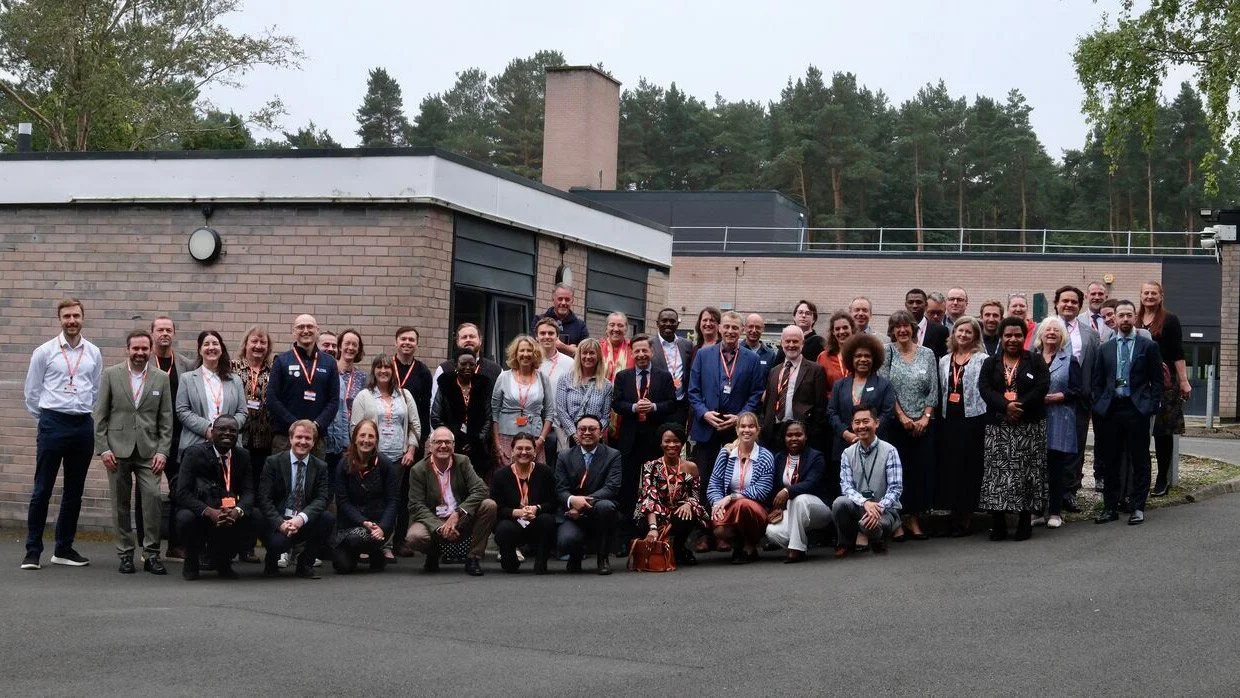
The European Forest Institute opens new UK office tostrengthen forest governance collaboration
The European Forest Institute (EFI) has officially opened its new office in Midlothian Science Zone, on Bush Estate, expanding its presence in Europe and strengthening collaboration with partners across the United Kingdom, helping connect UK expertise with EFI's European and international networks, supporting cooperation on climate resilience, sustainable forest management, forest restoration and forest governance.
Midlothian was selected as the location for EFI's UK office because of its world-class forestry research, academic and policy communities, internationally engaged institutions, and growing expertise in climate, nature and sustainable development.
The location will also host the International Forest Governance Hub (IFGH), a new collaborative platform that promotes inclusive, evidence-based forest governance through policy engagement, applied research, shared learning and strategic partnerships.
By bringing together research, policy and practice, EFI continues to strengthen international collaboration and knowledge exchange for forests and people.
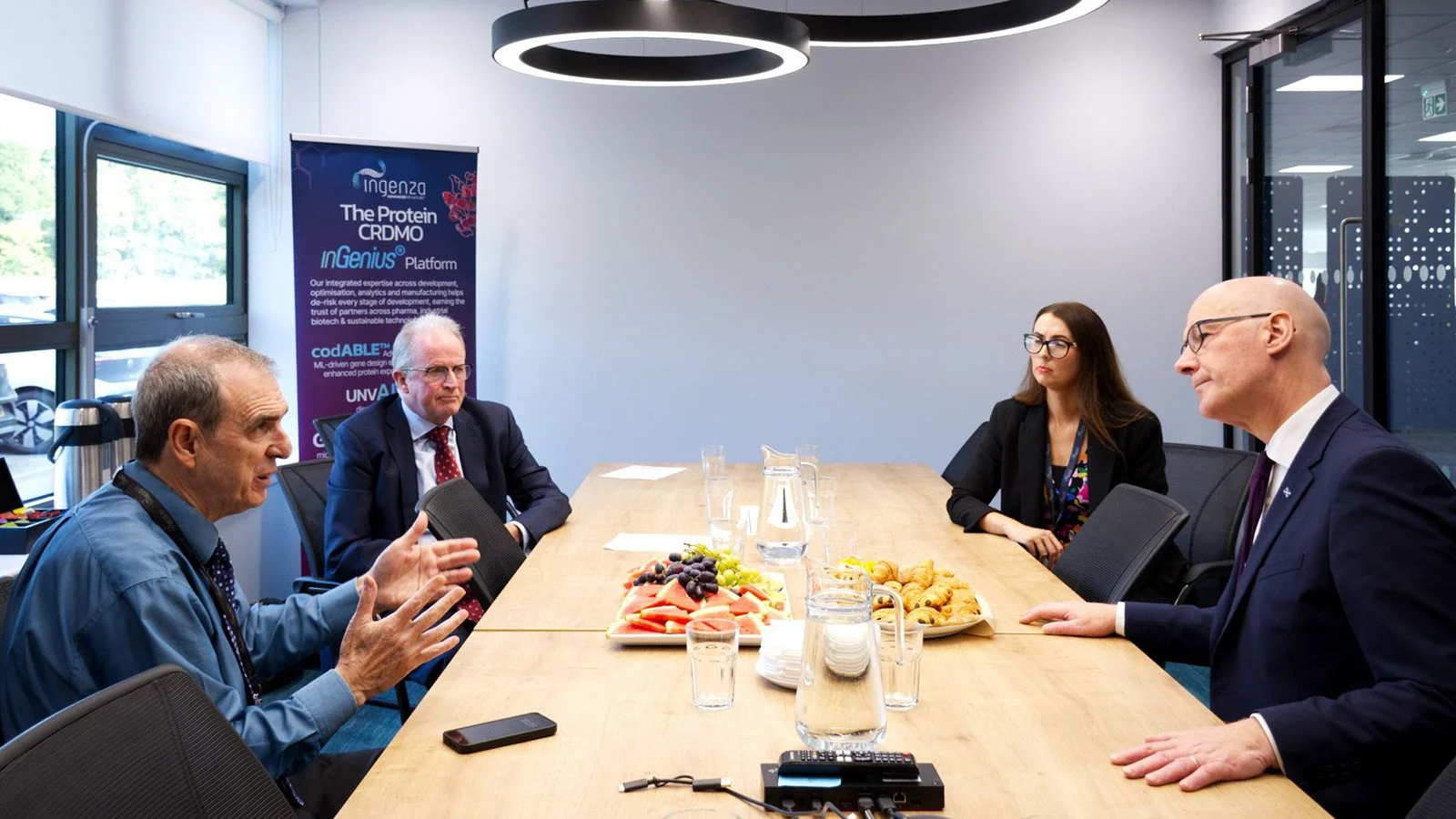
First Minister John Swinney visits Ingenza to highlight Scotland’s economic growth
Ingenza, a world-leading protein CRDMO were delighted to welcome Scotland’s First Minister, John Swinney, to its inGenius® Building where he chose to announce his legislative agenda for his Programme for Government.
Scotland has the science but it needs to join the dots
As Scotland’s life sciences community prepares to gather in Glasgow for Bio Now: Bio Insight 2026 Conference, there is much to celebrate. Scotland has world-class research, exceptional universities, a strong pipeline of scientific talent and a growing community of innovative businesses.
Source: The Scotsman
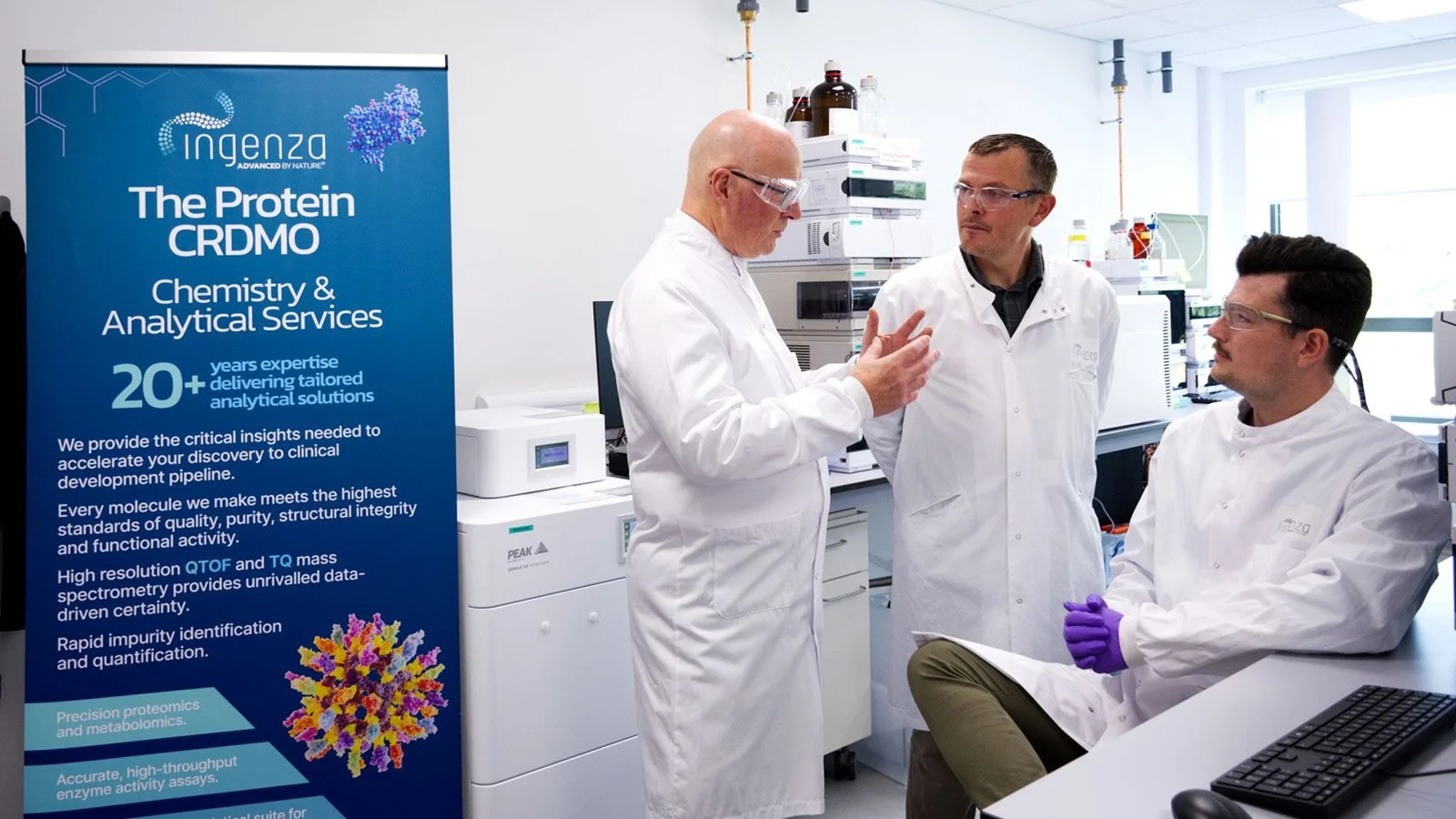
Tackling cost-of-living pressures a ‘principle issue’ for John Swinney
First Minister, John Swinney, spoke about his Programme for Government plans during a visit to Ingenza, in Midlothian Science Zone.
He described the business as being "a highly sophisticated research organisation that is able to work with our universities in taking forward some of the research ideas that emerge from our universities and putting them out for commercial application".
Mr Swinney added: "That is how we generate economic opportunity and economic growth within Scotland and that whole issue and ambition will be central to the government's programme, because the more we grow our economy the more we can eradicate child poverty, the more we can strengthen our public services."
Source: The Independent
Career support is now closer to Scotland’s communities
Career journeys are rarely straightforward, and people do not all need the same thing at the same time.
That is why Skills Development Scotland’s (SDS) all-age careers service meets people where they are, helping them build the confidence and skills to make informed decisions throughout life.
Source: The Herald
New app could help farmers worm fewer lambs
A new farm trial is testing whether sheep farmers can worm fewer lambs without compromising growth, welfare or flock performance.
The two-season project is evaluating SmartWorm, a decision-support app that combines EID data, lamb growth rates, weather, grazing conditions and farmer observations to identify which individual animals actually need treatment.
The trial includes regular veterinary oversight, routine worm egg counts and laboratory support from the Moredun Research Institute, which is carrying out parasite monitoring and resistance testing.
Source: FarmingUK
Funding gap widens as investors become more selective
Scotland's early-stage investment market remains active, but raising capital is becoming more difficult for ambitious growth companies.
While investors continue to back innovative businesses with strong growth prospects, fundraising rounds are taking longer to complete, investors are carrying out more detailed due diligence and capital is becoming increasingly selective.
Source: The Scotsman
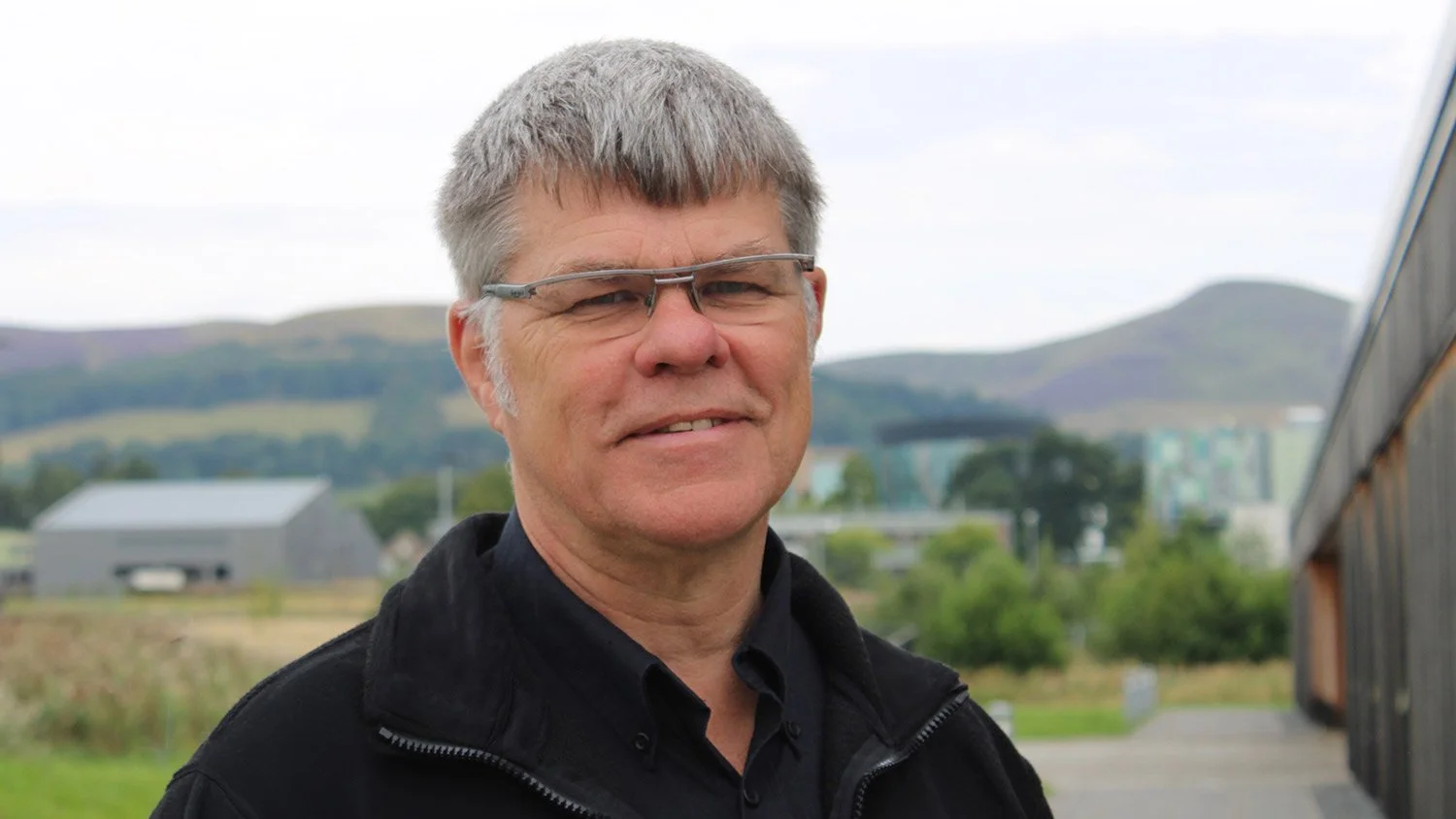
Beta Bugs secures £800,000 to accelerate commercial growth under new leadership
Beta Bugs Ltd, a leader in Black Soldier Fly (BSF) genetics, has secured a further £800,000 of investment led by TRICAPITAL Angels and supported by Scottish Enterprise. The funding marks the beginning of the company’s next phase of commercial growth under new CEO Dr Alan Tinch.