
News

Edinburgh spinout secures £1.2 million to advance treatment of hormone-related conditions
Kāhu SiliconBio (operating as Kahu Bio) has secured £1.2million from the German Federal Agency for Disruptive Innovation (SPRIN-D) to support the development of the company’s next prototype as it adapts its technology for women’s health applications.
The Midlothian Science Zone-based biotech integrates living bioengineered bacteria directly into silicon chips to create a biohybrid sensor that translates real-time chemical and biological responses in liquids into immediate electronic data.
Source: The Scotsman
Research organisations launch collective alliance
The National Research Organisations (NRO) Group brings together more than 40 UK science and research organisations dedicated to advancing science for the benefit of people, communities, the economy, the environment and national resilience.
Three research organisations 'in the zone' are part of this collective alliance - Roslin Institute, Moredun Research Institute and UK Centre for Ecology & Hydrology (UKCEH).
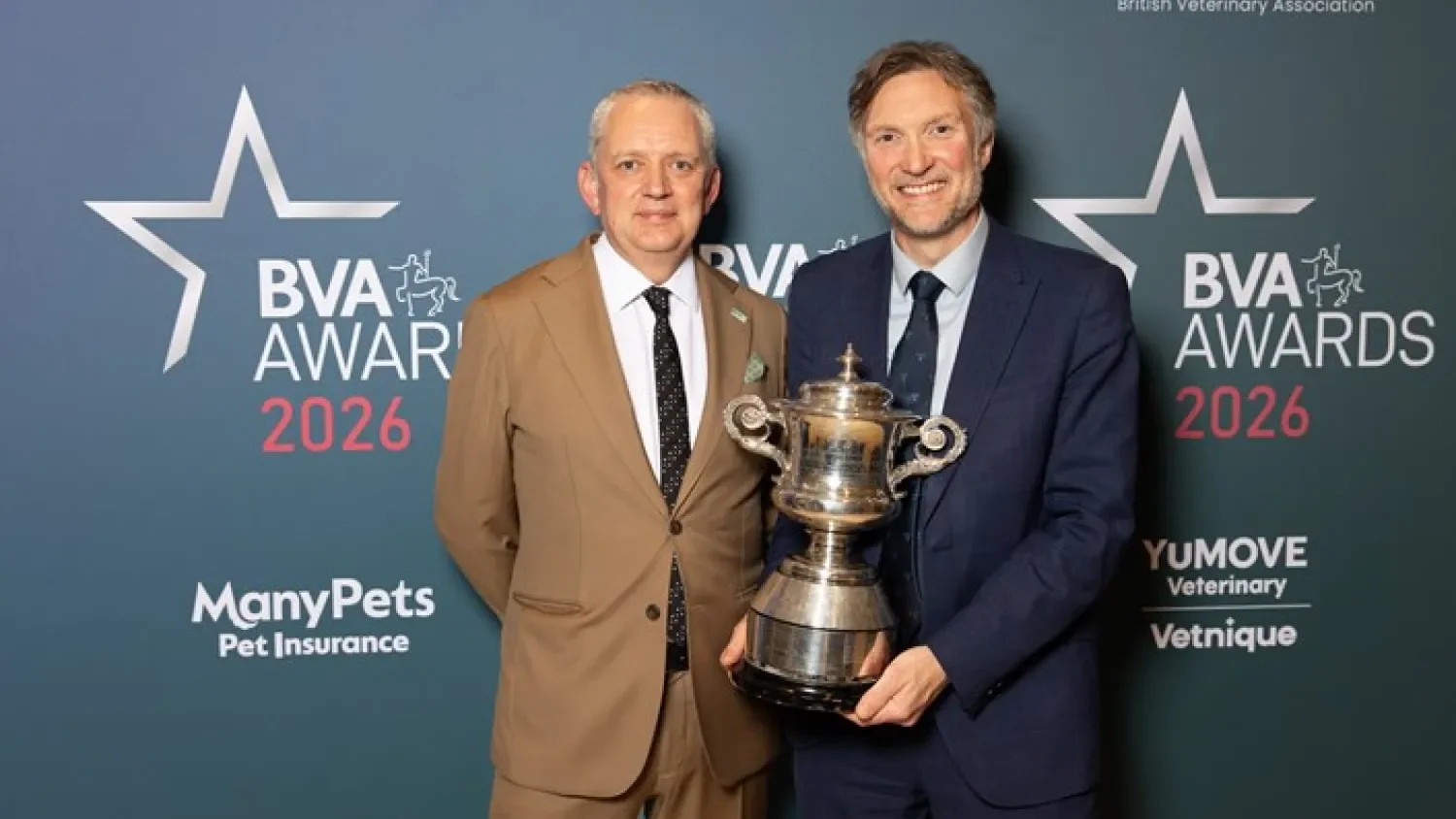
Moredun Director receives Advancement of Veterinary Science Award
The British Veterinary Association (BVA) awarded Professor Tom McNeilly the prestigious Advancement of Veterinary Science accolade at their national ceremony. The established Advancement of Veterinary Science Award (Dalrymple-Champneys Cup and Medal) recognises a BVA member who has helped to advance veterinary science and medicine through research and knowledge sharing. They have authored outstanding scientific work or undertaken activities which advanced veterinary science and spread their knowledge.
Cloned predecessor to Dolly the sheep goes on permanent show at museum
A cloned sheep that helped pave the way for the creation of Dolly the sheep has gone on show at a rural life museum. Morag and her identical twin Megan were cloned from the same embryo and were the first mammals to be successfully cloned from differentiated cells. Their births in June 1995 at the Roslin Institute in Edinburgh were hailed as a technical breakthrough and made the birth of Dolly the sheep the following year possible.
Source: STV News

Salmon study supports £200m innovation drive
An £8.5m project to boost health and welfare in farmed salmon is contributing to a sector in which innovation spend has surged to almost £200 million within a decade, according to an independent report.
Innovation has broadened across every major area of salmon farming, the review into the sector concludes.

Experts collaborate to develop research technologies
The Roslin Institute is to build on its expertise in developing laboratory-based models to reduce or replace the use of animals in research, where it is feasible to do so.
A collaborative initiative with three other leading veterinary research organisations aims to design and validate novel lab-based models for studying farm animal health and disease.

Genetics expert appointed next head of Roslin Institute
Professor John Hammond has been appointed the next Director of the Roslin Institute.
Professor Hammond, an expert in genetics, genomics, and immunology, is currently Director of Research at The Pirbright Institute. He is expected to take up his post at Roslin in May.

Hub to aid precision breeding of future farm animals
Edinburgh experts will receive almost £5 million to establish a new hub at the University’s Roslin Institute, based at the Easter Bush campus, to drive advances in engineering biology – a major innovation focus for the UK Government.
The hub will focus on research to identify and study small changes to DNA in animals to advance sustainable agriculture and control diseases.
Fat recycling mechanism could boost salmon health
Aquaculture experts, in collaboration with the University of Glasgow, University of Stirling and Benchmark Genetics, have identified a fat recycling process in Atlantic salmon cells that could help enable healthier feed strategies and improved disease resilience.
This process helps break down excess fat inside cells, and its discovery could play a major role in tackling the challenges of modern salmon diets.

Data-driven programme designed to tackle global challenges
A flexible new postgraduate programme designed to tackle global challenges through genetics and data skills will launch in September 2025, supported by a dedicated e-learning team and aimed at training the next generation of experts in a range of industries and academic fields.