
News

New AI-powered platform could help scientists in Scotland make cancer breakthrough
A new AI-powered imaging platform that looks deep into the configuration of cells is set to help scientists in Scotland carry out cutting-edge research into cancer and other diseases.
Heriot-Watt University has secured £449,000 from the Wolfson Foundation to bring a new system to the Edinburgh Super-Resolution Imaging Consortium (ESRIC), a national imaging facility used by researchers across Scotland.
Source: FUTURESCOT
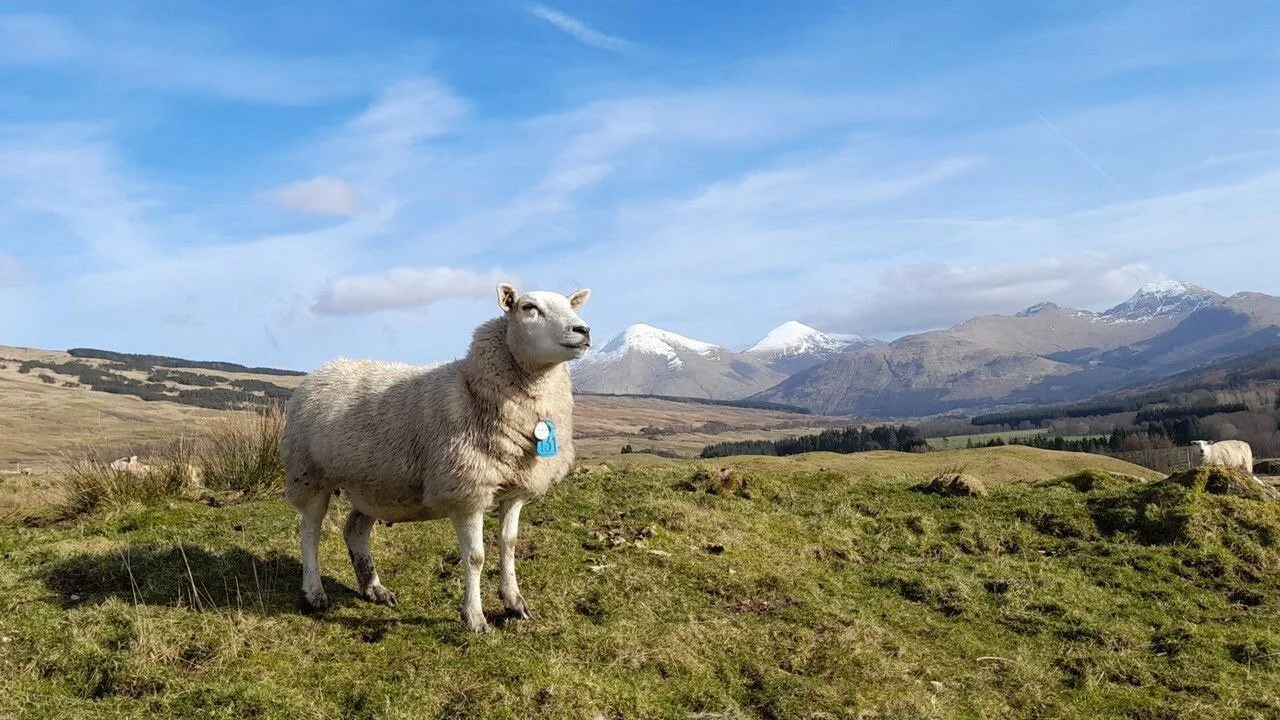
SRUC named Key Innovator by European Commission for Sheep Monitoring Technology
SRUC researchers have developed an innovative Bluetooth Low Energy (BLE) livestock monitoring system that has been recognised by the European Commission for its potential to transform sheep farming.
The technology, developed through the Horizon 2020 TechCare project, coordinated by SRUC, has been featured on the European Commission's Innovation Radar platform, which identifies high-potential innovations emerging from EU-funded research. As part of the recognition, SRUC has been named a Key Innovator.
Research organisations launch collective alliance
The National Research Organisations (NRO) Group brings together more than 40 UK science and research organisations dedicated to advancing science for the benefit of people, communities, the economy, the environment and national resilience.
Three research organisations 'in the zone' are part of this collective alliance - Roslin Institute, Moredun Research Institute and UK Centre for Ecology & Hydrology (UKCEH).

UK’s £750m supercomputer milestone as turf cut at Easter Bush Midlothian
Construction on the site of the UK's Next National Supercomputer has begun on Easter Bush, Midlothian. The University of Edinburgh was chosen as the new supercomputer’s home in recognition of EPCC’s long-standing leadership in high performance computing.
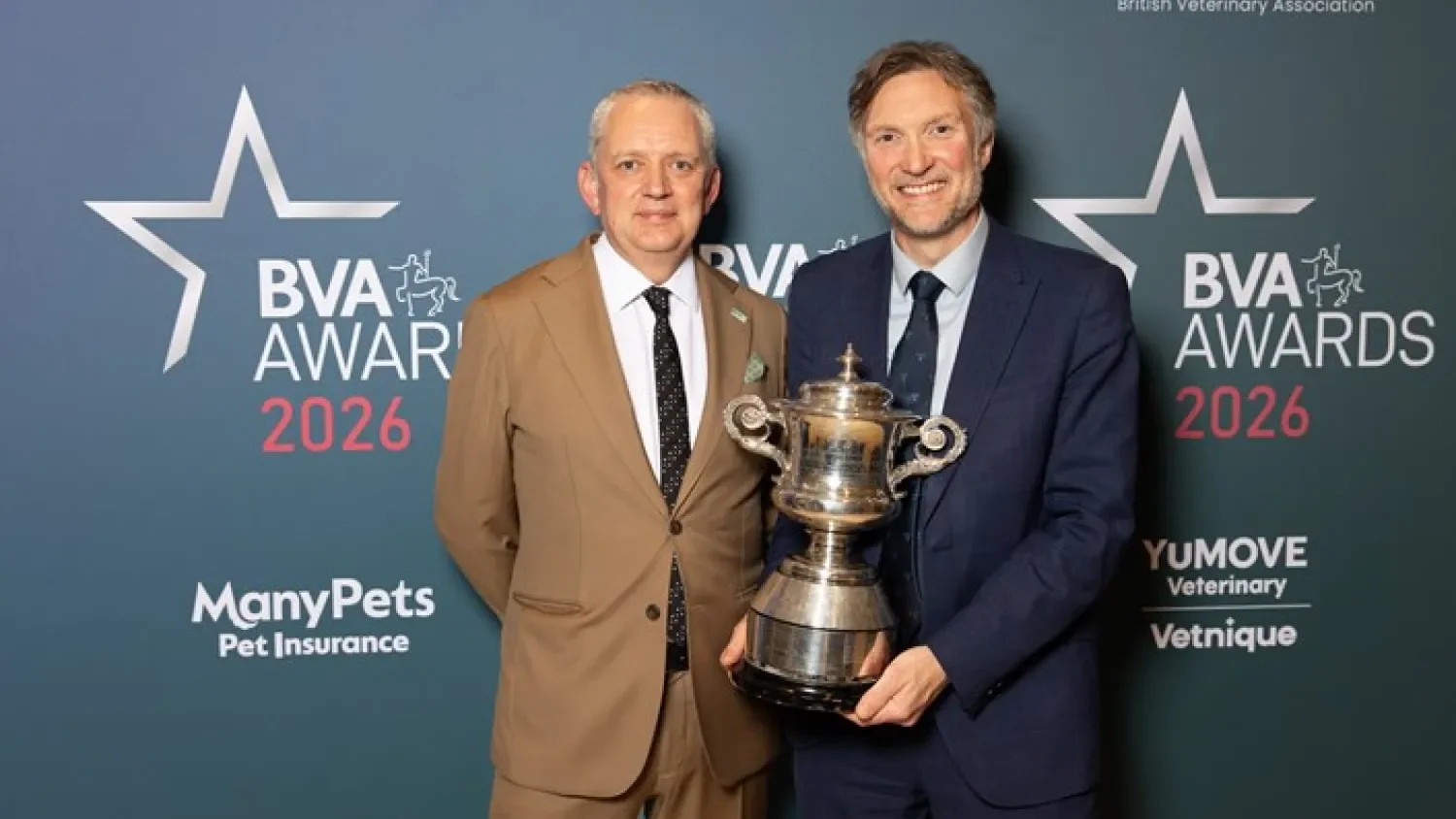
Moredun Director receives Advancement of Veterinary Science Award
The British Veterinary Association (BVA) awarded Professor Tom McNeilly the prestigious Advancement of Veterinary Science accolade at their national ceremony. The established Advancement of Veterinary Science Award (Dalrymple-Champneys Cup and Medal) recognises a BVA member who has helped to advance veterinary science and medicine through research and knowledge sharing. They have authored outstanding scientific work or undertaken activities which advanced veterinary science and spread their knowledge.

Introduction to the new Engineering Biology Hub on the Easter Bush Campus
The Midlothian Science Zone Business Forum took place on Tuesday 14th April 2026 at The Roslin Institute, to learn more about the newly established Engineering Biology Hub at the Easter Bush Campus (EB2), highlighting ongoing research projects, research capability and partnership opportunities.
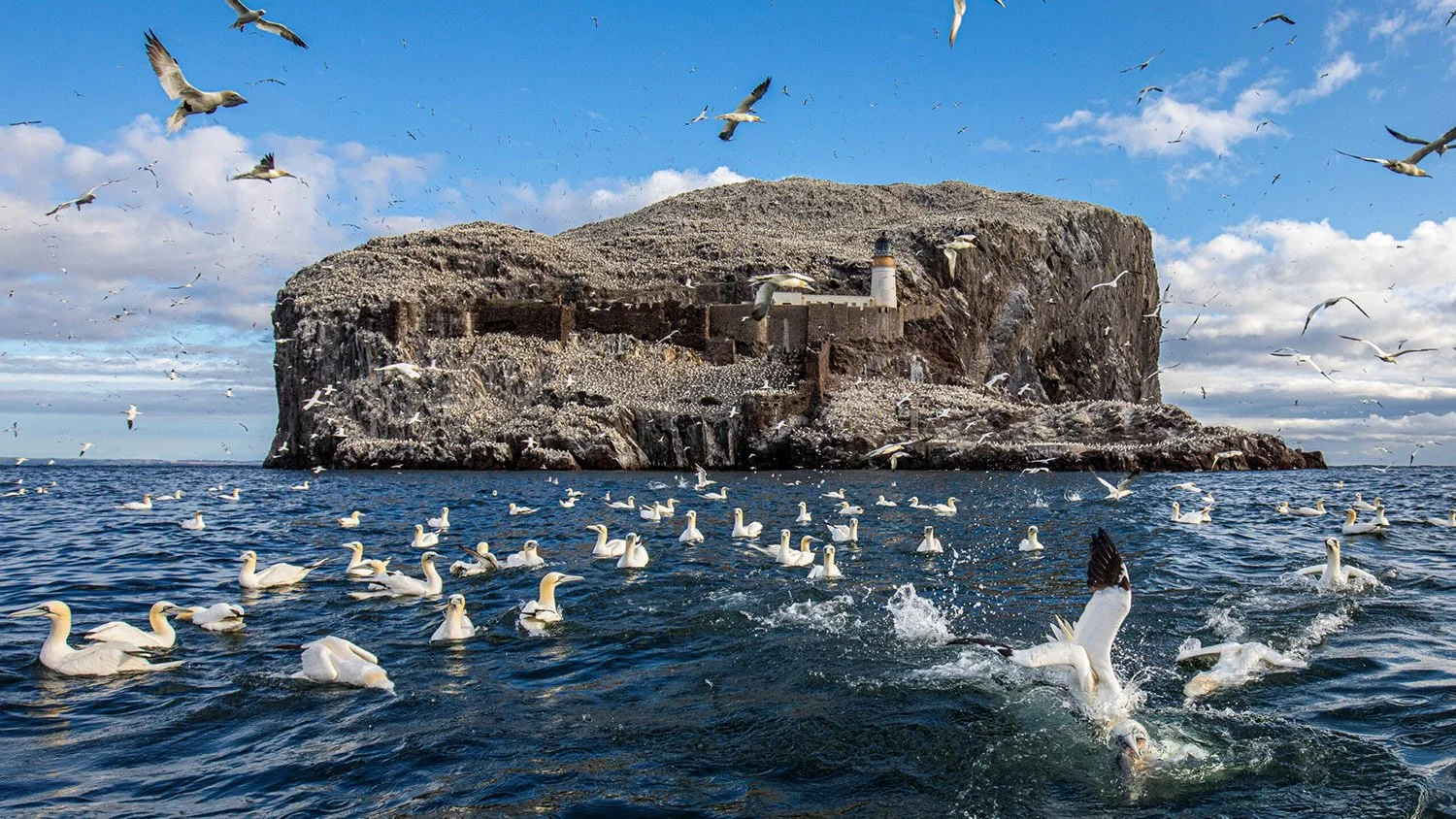
Innovative research suggests Bass Rock gannet colony may be stabilising after avian flu outbreak
New research is shedding light on the health of one of the UK’s most important seabird colonies, suggesting it may be stabilising after the devastating 2022 avian flu outbreak. A team from the Scottish Seabird Centre, Edinburgh Napier University, the University of Edinburgh’s School of Geosciences, and the UK Centre for Ecology and Hydrology are using cutting-edge technology to better understand one of the world’s largest northern gannet colonies on Bass Rock.
Cloned predecessor to Dolly the sheep goes on permanent show at museum
A cloned sheep that helped pave the way for the creation of Dolly the sheep has gone on show at a rural life museum. Morag and her identical twin Megan were cloned from the same embryo and were the first mammals to be successfully cloned from differentiated cells. Their births in June 1995 at the Roslin Institute in Edinburgh were hailed as a technical breakthrough and made the birth of Dolly the sheep the following year possible.
Source: STV News
Innovation unlocked by Scotland's aligned national ecosystem
Scotland combines world-class research and clinical excellence with international connectivity and access to a skilled workforce, often with strong talent retention levels which I believe is one of Scotland’s most underappreciated strengths, says Mark Hanna
Source: The Scotsman
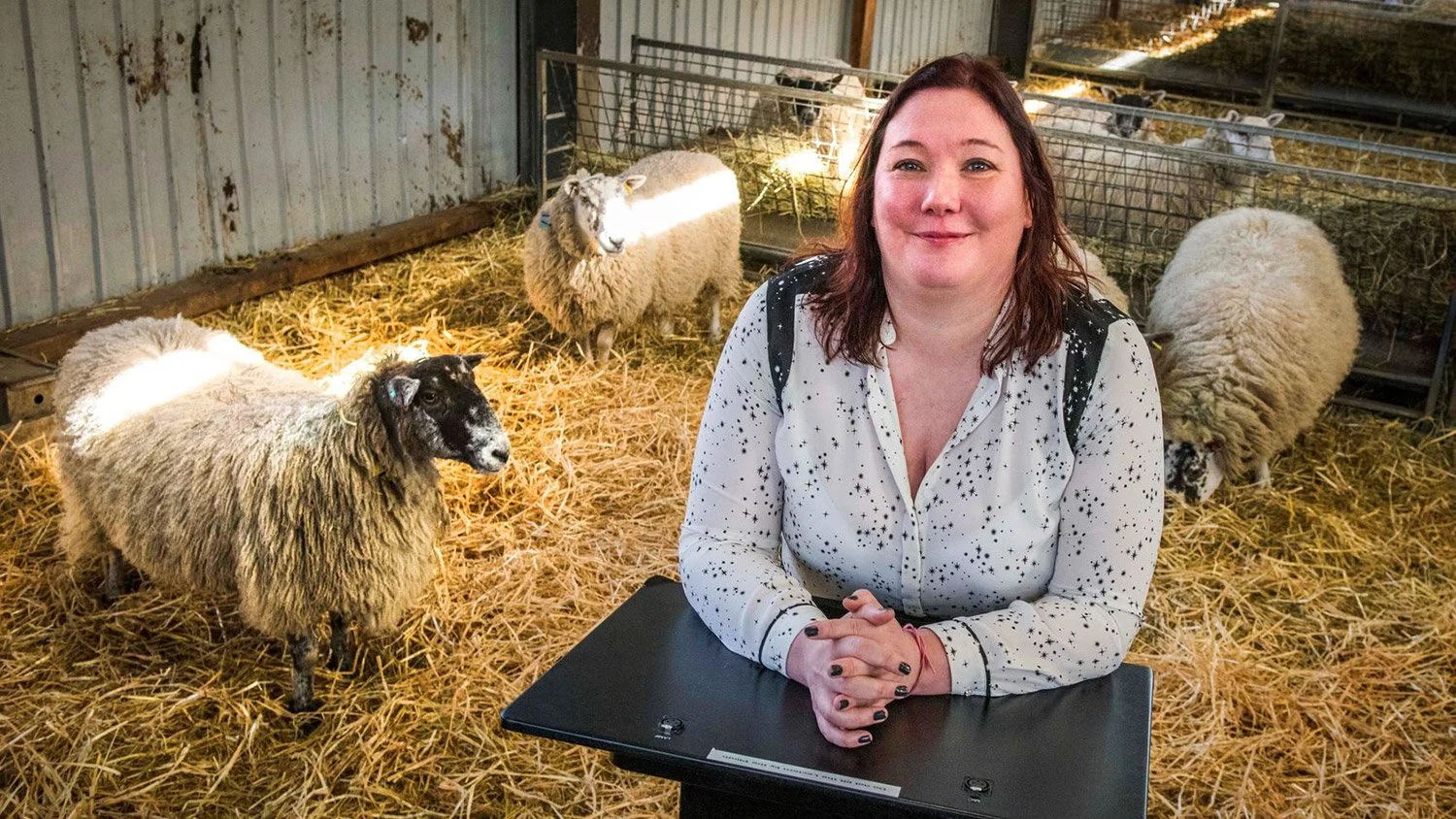
Royal honour for SRUC Head of Research
A lifelong devotion to animal genetics, which included meeting the world’s most famous sheep, has led to an honorary OBE for SRUC’s Head of Research.
Eileen Wall, Professor of Integrative Livestock Genetics at SRUC, has been honoured for services to Agricultural Science, her scientific contribution to livestock improvement and her leadership of research and innovation at national and international level.