
News
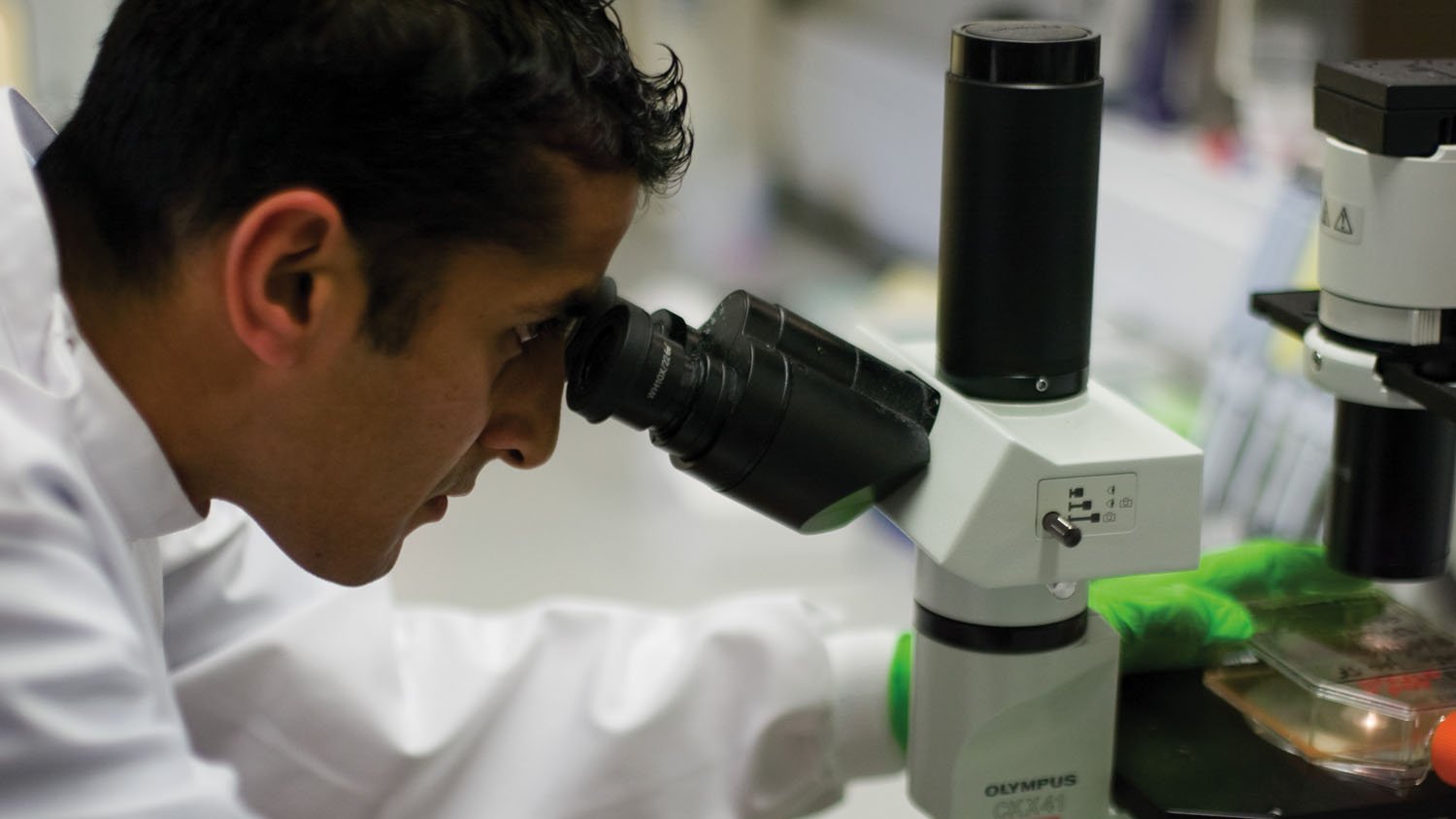
Retaining top business talent
New investment has been announced to help attract and retain high-growth life science companies in Scotland.
A £35 million Life Sciences Accommodation Programme from Scottish Enterprise will improve the availability of affordable premises to businesses in the sector as they commercialise and expand.

Scottish Enterprise launches £35m Life Sciences drive
Scottish Enterprise is backing ambitious life sciences companies to succeed in Scotland, helping to improve the availability of affordable premises for high-growth businesses in the sector as they commercialise and expand. The new £35 million Life Sciences Accommodation Programme has been announced by Deputy First Minister Kate Forbes, and will launch later this year.
Source: DIGIT NEWS
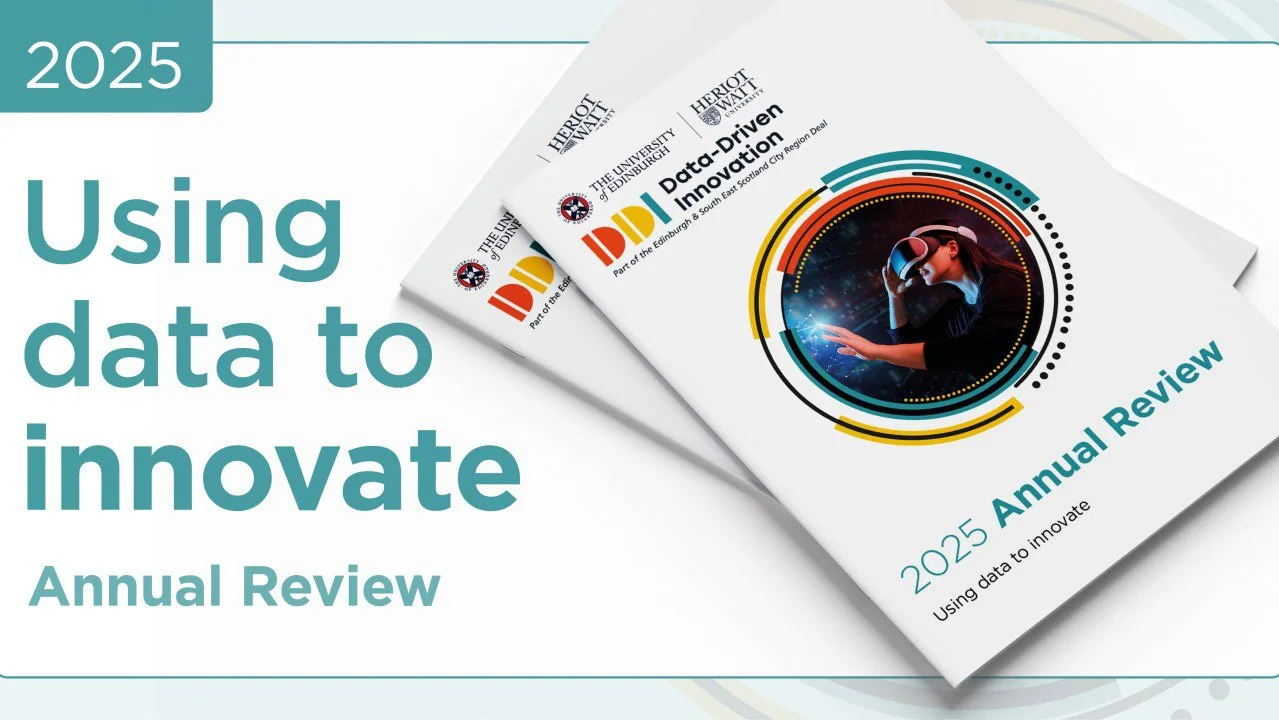
DDI programme publishes latest annual report
The University of Edinburgh and Heriot-Watt University’s Data-Driven Innovation (DDI) initiative has published its latest Annual Review, highlighting achievements from the academic year 2024-25.
Twelve case studies feature in the review, covering start-ups and spin-outs, research, and partnerships delivering positive impacts for a range of industry sectors.
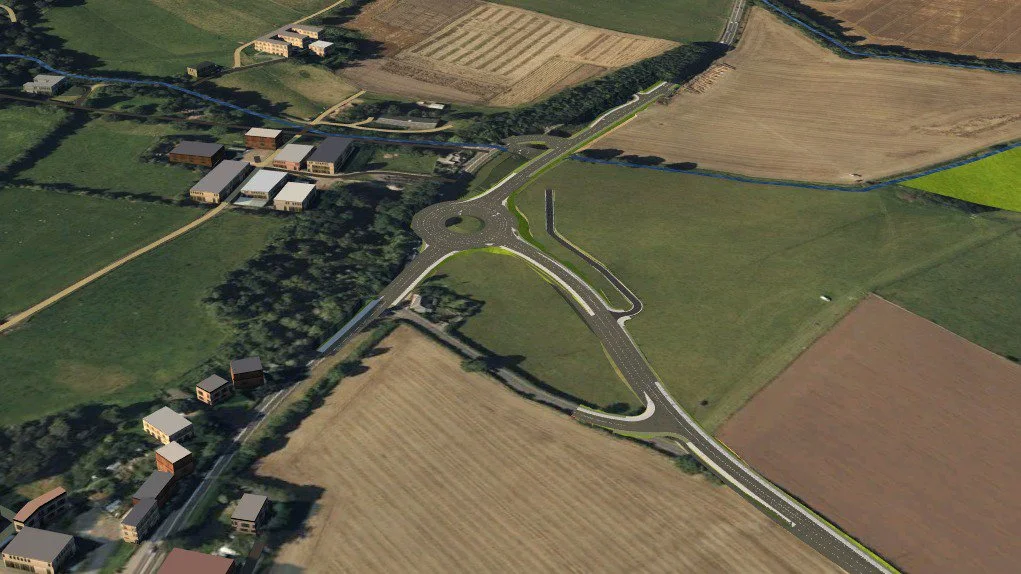
Bush Loan Junction Upgrade Reaches Final Design Stage as Major City Deal Project Hits Halfway Mark
As one of the flagship infrastructure investments of the Edinburgh and South East Scotland City Region Deal, the Bush Loan junction upgrade has now moved into its final design phase. Midlothian Council has confirmed that engineers are preparing detailed designs following planning approval, with contractor appointment expected in mid‑2026 and construction scheduled to begin later this year.
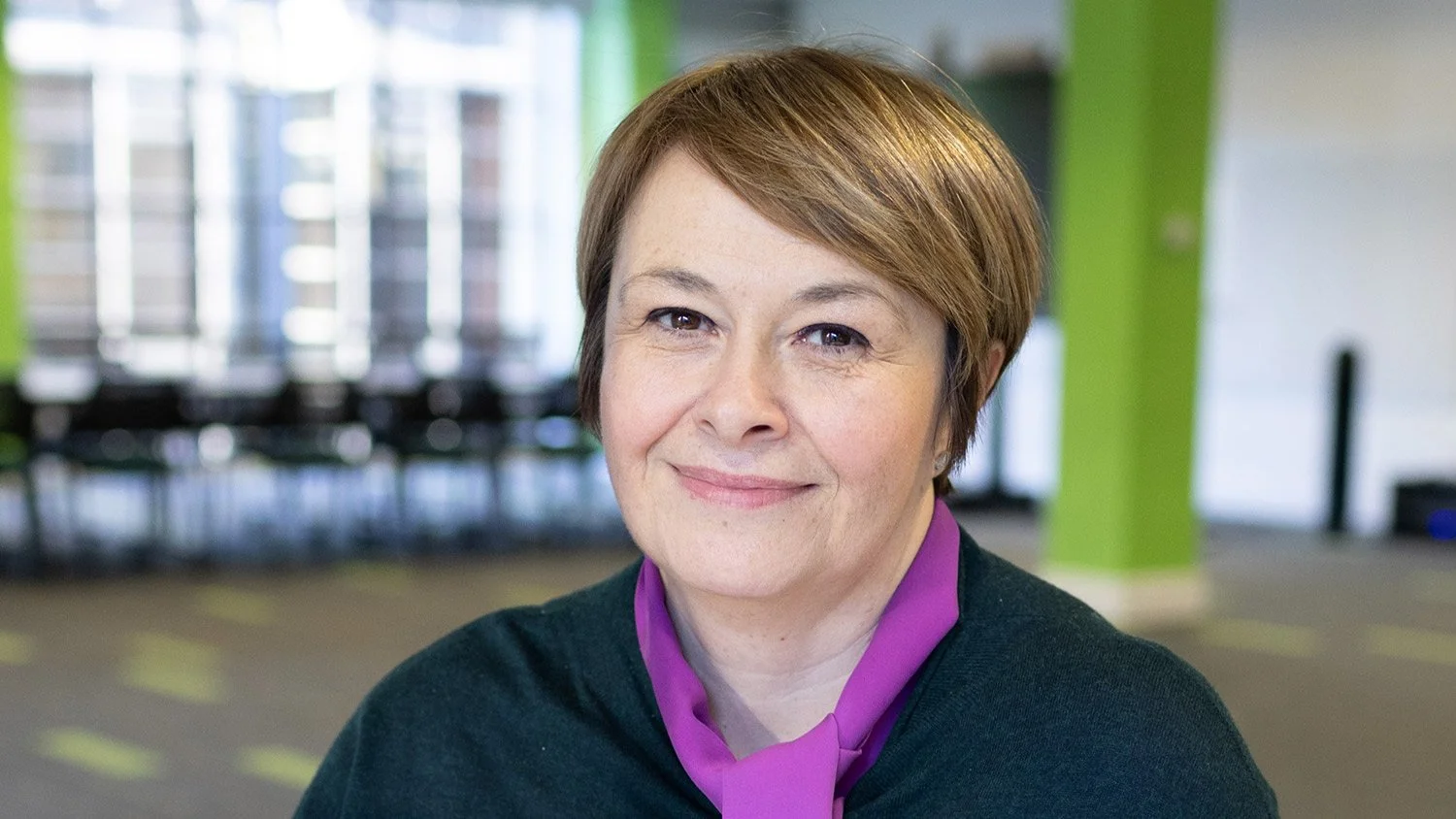
Scottish Enterprise appoints Nicola Anderson as Director of Scaling Innovation
Scottish Enterprise has appointed Nicola Anderson as its new Director of Scaling Innovation, strengthening Scotland’s ambition to build and scale world-leading businesses in high-growth sectors.
Nicola will lead Scottish Enterprise’s Scaling Innovation Mission, focused on helping ambitious Scottish companies grow faster and translate cutting-edge research and development into globally competitive businesses of scale.

Experts collaborate to develop research technologies
The Roslin Institute is to build on its expertise in developing laboratory-based models to reduce or replace the use of animals in research, where it is feasible to do so.
A collaborative initiative with three other leading veterinary research organisations aims to design and validate novel lab-based models for studying farm animal health and disease.

Genetics expert appointed next head of Roslin Institute
Professor John Hammond has been appointed the next Director of the Roslin Institute.
Professor Hammond, an expert in genetics, genomics, and immunology, is currently Director of Research at The Pirbright Institute. He is expected to take up his post at Roslin in May.
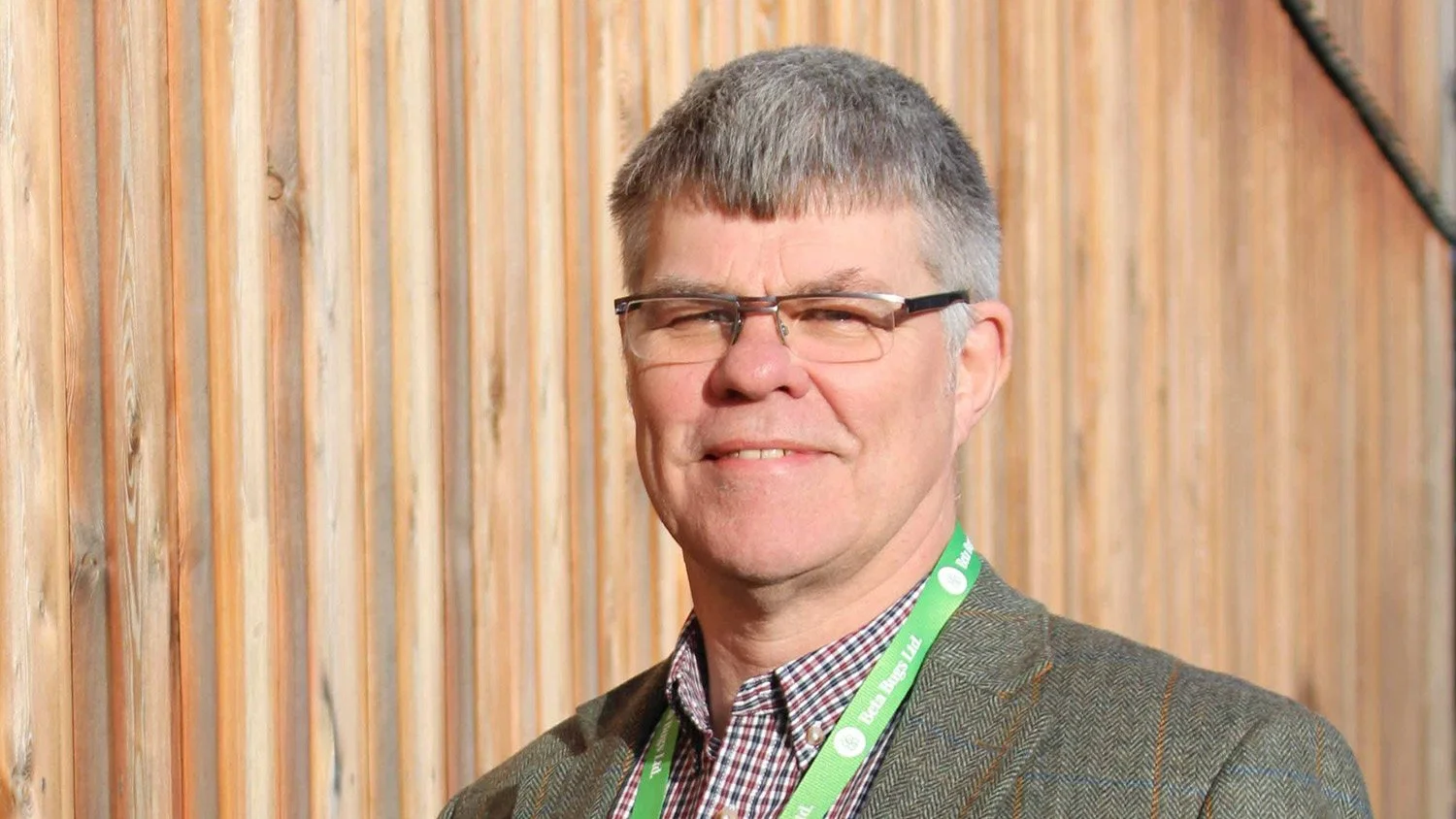
Beta Bugs Ltd appoints Dr Alan Tinch as CEO to lead genetics-focused strategy
Beta Bugs Ltd has announced the appointment of Dr Alan Tinch as Chief Executive Officer, effective February 2026. Dr Tinch's appointment follows Beta Bugs' strategic decision in 2025 to focus exclusively on BSF genetics, moving away from pilot-scale manufacturing operations. This pivot reflects the company's assessment of competitive dynamics in the UK BSF market and positions Beta Bugs to capitalise on its core strength: developing superior genetic strains for the rapidly growing global insect protein industry.
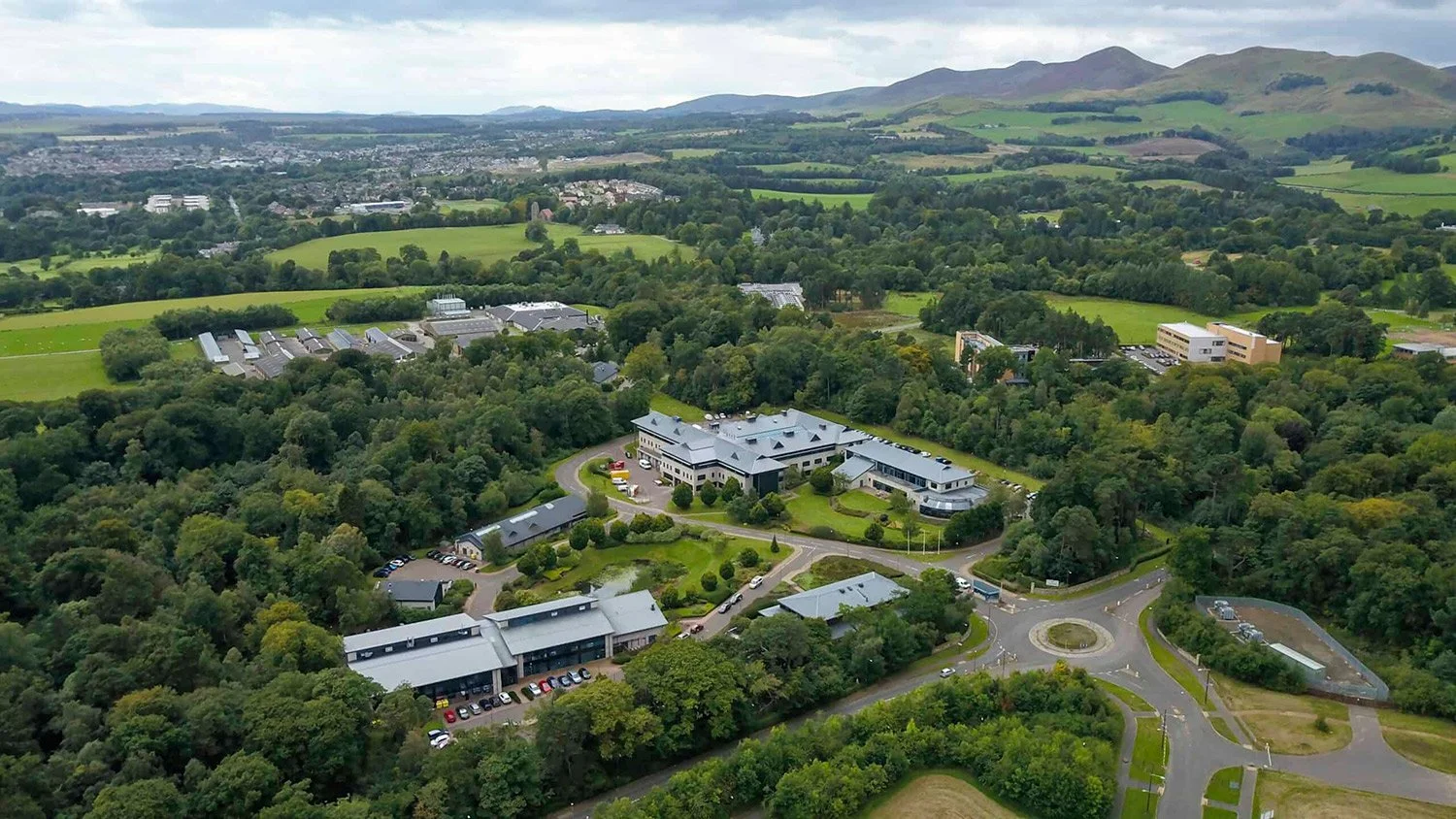
Moredun opens upgraded High Security Unit to support research to protect animal and public health
Moredun Research Institute has opened its upgraded High Security Unit (HSU) following a major programme of refurbishment and sustainability works, strengthening Scotland’s role in protecting animal and public health.
The upgraded facility was officially opened by MP for Midlothian, Kirsty McNeill, marking the completion of works designed to secure the long-term future of one of the UK’s high-containment research facilities.
Farmland birds in Scotland decline over past decade, report shows
A new report on Scotland’s breeding birds shows that all farmland species have decreased over the past ten years.
The NatureScot report highlights that while woodland and pastoral bird numbers remain higher than 1994 levels, arable and wet farmland bird populations are now lower than a decade ago.
Source: STV News